
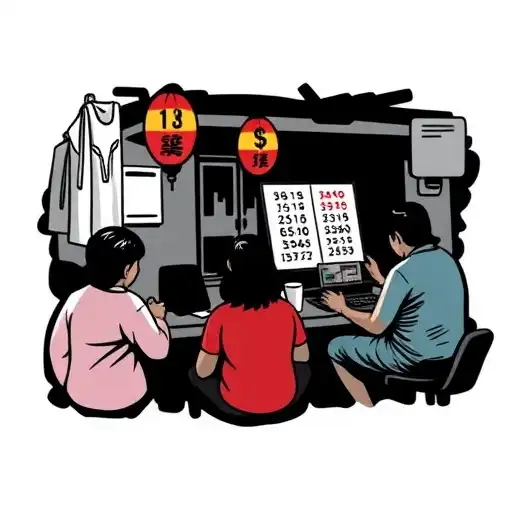

Jueteng: A Cultural and Social Phenomenon
Jueteng has been an enduring issue in the Philippines, blending aspects of social life, politics, and economics. Despite numerous efforts to eradicate it, Jueteng continues to thrive, finding its way into the daily lives of many Filipinos. This game is not just about numbers; it is about culture, livelihood, and even survival for some. In this piece, we delve into the complex narratives that make up the phenomenon of Jueteng.
The Origins and Mechanics of Jueteng
Jueteng is a type of illegal numbers game that originated in the Philippines during the Spanish colonial period. Its name derives from the Chinese words 'hue,' meaning 'flower', and 'teng', meaning 'bet'. The game is similar to a local lottery where bettors choose a combination of numbers, and a draw determines the winning numbers.
Traditionally, paper ballots were used to record bets, but with technological advances, texting and online platforms are becoming increasingly common. The appeal of Jueteng lies in its accessibility and the minimal cost required to participate, making it popular among the underprivileged.
The Socio-Economic Impact of Jueteng
Despite its illegal status, Jueteng provides livelihood opportunities for many involved in its operations as bet collectors, coordinators, and even financiers. For some, it is a source of quick and significant cash inflow, particularly in regions where economic opportunities are scarce. This economic dependency complicates efforts to eliminate the practice, as it serves as a financial crutch for many struggling communities.
Local governments face challenges in addressing Jueteng since it often involves widespread networks that extend from local communities to municipal and even national levels. Some argue that the revenues generated from Jueteng could support community projects if legalized and regulated.
Legal and Political Dimensions
Efforts to eliminate Jueteng have been a rollercoaster of legislative battles, police raids, and occasional crackdowns. Jueteng is intricately tied to political machinations, where allegations of corruption often taint public officials up to the highest government echelons. Some officials are believed to benefit directly from the proceeds of Jueteng, making the issue politically sensitive.
The allure of Jueteng money sometimes influences electoral outcomes, as officials supported by Jueteng operators owe them favors, affecting policymaking and enforcement. This entrenched system makes reform challenging, despite the significant political pressure to act against it.
The Reality of Everyday Life and Jueteng
For many Filipinos, Jueteng is an everyday reality that goes beyond just a game of chance. It is ingrained in the social fabric, especially in rural areas where entertainment options are limited. The community aspect of betting in Jueteng allows for social interaction, weaving into the daily lives of those who play.
At the heart of the matter is the question of morality versus necessity. While illegal, Jueteng is often perceived as a necessary evil, a safety net for the impoverished who gamble small amounts on the prospect of a windfall. This sentiment might not align with legal perspectives, but it embodies the desperation and hope prevalent in many communities.
Comparative Analyses: Jueteng and Legalized Gambling
The discussion surrounding Jueteng often includes comparisons with legal gambling options, such as lotteries and casinos. Legal gambling establishments offer a regulated environment with revenues contributing to government funds, but their reach and accessibility differ significantly from Jueteng. Services provided by platforms such as 185win cassino online licenciado com 2.500+ jogos certificados, bônus R$ 5.000🍀 indicate diversity and accessibility that some sectors of society find appealing.
The dynamics of Jueteng versus legalized gaming open discourse on why certain forms of gambling are deemed acceptable while others are not, spotlighting the cultural and political underpinnings of what defines legal versus illegal gambling.
The Future of Jueteng
While there have been initiatives to replace Jueteng with legal alternatives, these have seen varied success. Comprehensive community programs and education are essential to transition from informal to formal economic structures. The role of the government is crucial in creating sustainable and legal revenue channels for populations that currently depend on Jueteng.
As we look to the future, understanding the complexities surrounding Jueteng — from socio-economic impact to political entanglements — is key to discussing practical solutions. The need for balanced insight into why it persists and how it might be transitioned or incorporated into legal frameworks will remain a subject of national conversation.